
Caffeine Habits
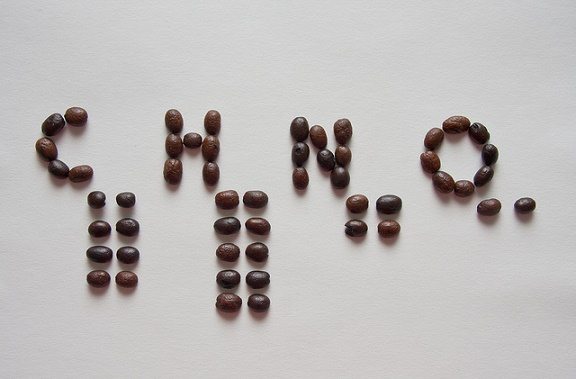
by Adrian Chew
In the year 3000, between studying fifth-dimensional thermodynamics and analysing the poetry of alien civilisations, students will hopefully have automated caffeine doses injected into their bloodstream via nanochip. Unfortunately until then, we’ll just have to settle with what we have.
We’re advised to limit our caffeine intake to 300-400mg a day, but how much does that actually mean? Hopefully the simple list we have shown here can help with figuring it out. But obviously it must be said that caffeine affects all of us to different degrees, and how something is prepared heavily affects its caffeine content.
Tea leaves release more caffeine the longer they are brewed, and instant coffee yields substantially less caffeine than a cup of freshly brewed coffee. But more importantly, pills are significantly stronger and fast-acting than liquids consumed over time, so monitoring how much you ingest is vital.
Caffeine overdose is not often heard of, but it is still a very real phenomenon, and the amount of caffeine that triggers this can vary wildly. At one extreme is one Durham girl who was hospitalised in 2007 after drinking 14(!) shots of espresso in under 4 hours. But there are also reports of cardiac attacks triggered by “only” 2 cans of Monster.
Between popping espressos, Red Bulls and Pro Pluses, it is important to remember that caffeine cannot truly replace a good night’s sleep and that the obvious thing here is to listen to your own body.
Tea (mg per cup):
14-70 (Black)
24-45 (Green),
Coca Cola (mg per can): 34
Instant coffee (mg per cup): 57
Espresso (mg per shot): 47-75
Red Bull (mg per can): 79
Monster (mg per can): 160
Photograph: Greg Rodgers

