
Abandoning Originality
By Sian Butler
Recent years have seen an increase in the number of so-called “continuation novels” being published; that is to say a growing number of authors are writing works which are based on another author’s characters or world. But what does this mean for originality in fiction? And can an author ever truly recreate another’s style or stories?
As far as originality is concerned, it’s true that authors publishing continuation novels have less work to do crafting their own characters, but it does not necessarily follow that they’re completely abandoning any attempts at originality. Sophie Hannah has just published a Poirot novel, The Monogram Murders, which has been written with the permission of Agatha Christie’s family, but without, by Hannah’s own admission, trying to emulate the original style in the popular crime series. Novels such as this one have their own individual style, a narrative often told from the perspective of a character created for the new book.
On top of that, the authors have to think of a plot: what is the likelihood that a publishing house would allow a continuation novel to go to print if it simply copied the mystery found in Murder on the Orient Express, or another of Christie’s equally famous works? Moreover, it would be easy to argue that nowadays it is increasingly difficult to be original in fiction; every plot and character seems to have appeared in other stories before, and everything new that is written seems to share at least some similarities with previously published works. Even the Montagues and the Capulets in Romeo and Juliet, arguably the world’s most famous love story, had appeared in writing before Shakespeare put pen to paper.
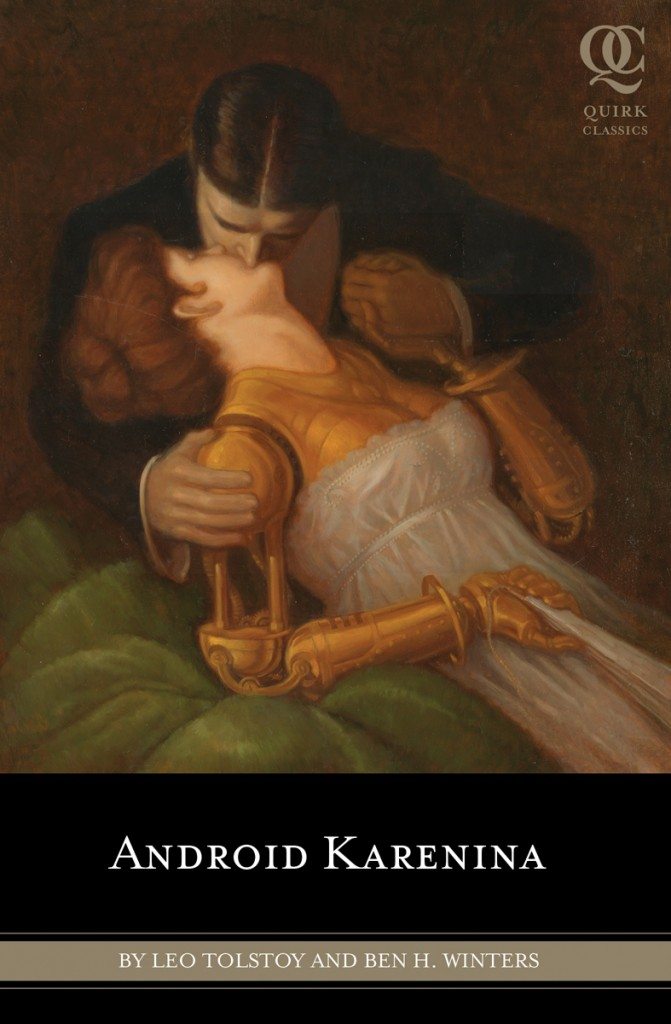
A range of authors, including those already famous for their other work, have latched onto the trend in recent years. Sebastian Faulks, the award-winning author of Birdsong, has released both a James Bond continuation novel, and a P.G. Wodehouse homage; Anthony Horowitz, the best-selling writer of Alex Rider fame, published his first Sherlock Holmes novel in 2011, while the next in the series is due to be released this month. Elizabeth Bennet, from Pride and Prejudice, has appeared in and inspired a multitude of stories, from those featuring zombies to Bridget Jones’s Diary. Whether or not the second author emulates the style of the first seems to make no difference to the popularity of these books.
 So just why are these stories so popular? The answer seems obvious; the style of the work might barely matter, but the characters do. Hercule Poirot, Sherlock Holmes, James Bond, and Elizabeth Bennet – all of these are fictional figures who have stood the test of time; they have captured people’s imaginations and found a place in their hearts. Readers love these characters, and this is the key that almost guarantees success. At the very least, fans of these popular creations will be intrigued at the news that a continuation novel is being released, if not eager to get their hands on more stories featuring their favourite characters. Continuing a story that a reader never wanted to end has proven a temptation for many authors.
Are these continuation novels, then, a form of fanfiction? It could certainly be argued that, written by fans using another author’s characters and world, they fall into that category. The word ‘fanfiction’ often conjures up ideas of bad writing and strange corners of the Internet, but writers like Horowitz and Faulks have shown that clearly isn’t always the case. Their versions are fully sanctioned by the families or estates of the original author, of course, but their success opens up the possibility of more publications of this sort in coming years. Maybe in the future we’ll even see official continuations of Harry Potter and A Song of Ice and Fire…
